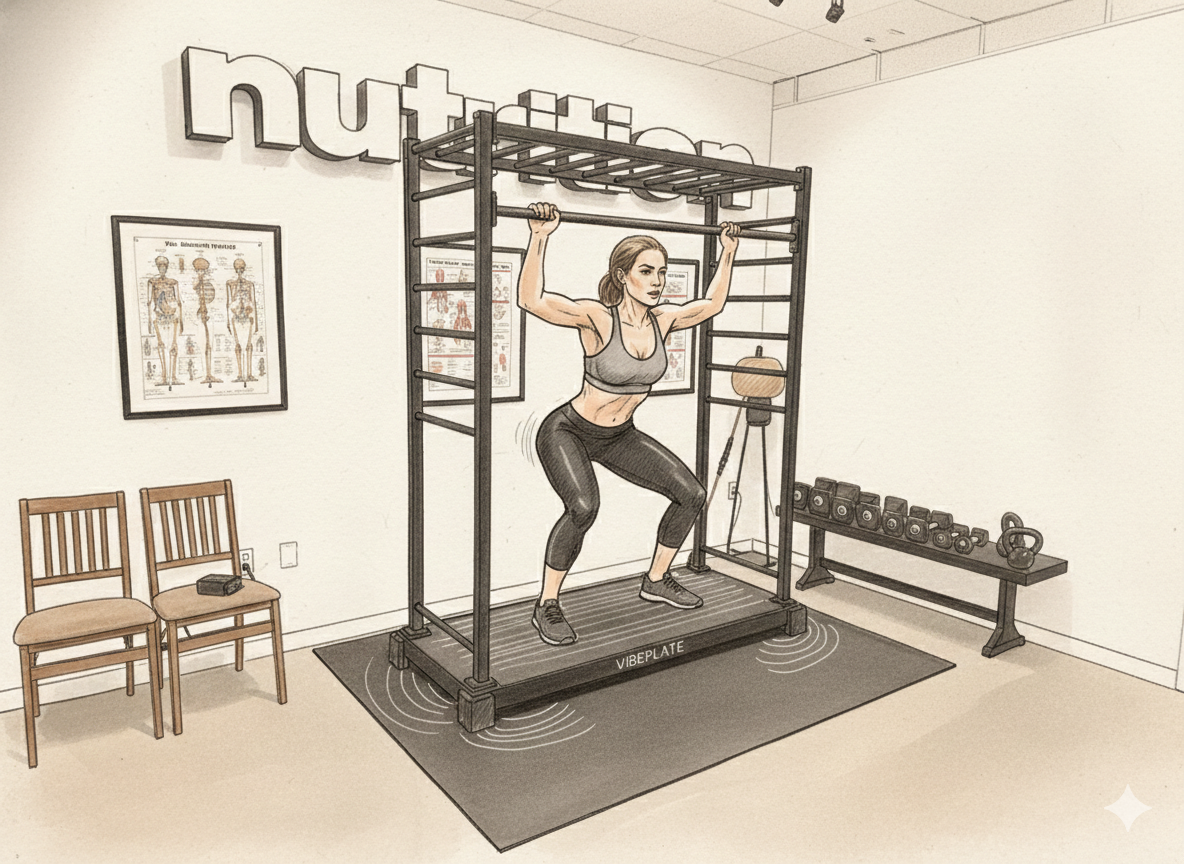
Evidence-Based Protocols for Neuromuscular and Muscular Activation via Whole-Body Vibration Therapy
The application of mechanical oscillations to the human body, commonly referred to as whole-body vibration (WBV), has emerged as a significant therapeutic modality within the fields of sports medicine, geriatrics, and neurorehabilitation. This modality utilizes motor-driven platforms to transmit sinusoidal or stochastic energy through the musculoskeletal system, inducing a cascade of physiological responses characterized by reflexive muscle contractions, neurogenic potentiation, and systemic metabolic shifts. The effectiveness of these interventions is fundamentally contingent upon the precise manipulation of vibratory parameters—frequency, amplitude, and acceleration—alongside the modulation of participant-specific factors such as posture, exercise dynamics, and clinical status.
Biophysical Foundations and Mechanical Parameters
The physiological utility of WBV is rooted in the body's response to rapid mechanical perturbations. When a subject stands on a vibrating platform, the mechanical stimulus acts as a series of rapid, small-magnitude stretches on the muscle-tendon complex. The force $F$ generated by the platform is a function of the mass of the subject and the acceleration $a$ of the plate, expressed as $F = m cdot a$. In the context of vibration, peak acceleration is determined by the frequency $f$ and the peak-to-peak amplitude $A$, described by the formula:
$$a = A cdot (2pi f)^2$$
This relationship illustrates why even marginal increases in frequency or amplitude can exponentially increase the gravitational load and subsequent neuromuscular demand. The magnitude of the vibratory stimulus is often expressed in units of gravity ($g$), where $1g = 9.81 , text{m/s}^2$. Higher frequencies (typically 30–50 Hz) and amplitudes (2–6 mm) generally elicit greater electromyographic (EMG) activity, as the neuromuscular system must produce higher internal tension to counteract the imposed mechanical stimulus.
Types of Vibration Platforms
The selection of a vibration platform is a critical determinant of the physiological outcome. There are three primary types of devices utilized in research and clinical settings: vertical sinusoidal (VS), side-alternating sinusoidal (SS), and stochastic resonance (SR).
Vertical platforms move the entire plate uniformly along a vertical axis, resulting in simultaneous and symmetrical movement of both sides of the body. These platforms are often favored for their stability and are effective for musculoskeletal loading, particularly in bone health and muscle strength applications. However, they can transmit more vibration to the head, potentially leading to discomfort, visual disturbances, or vestibular issues.
Side-alternating platforms, such as the Galileo system, pivot around a central fulcrum, moving one side up while the other moves down. This tilting motion mimics the human gait cycle and causes a lateral tilting of the pelvis, inducing an alternating activation of the back muscles, such as the multifidus and erector spinae. This teeter-totter motion allows the pelvis to compensate for the vibration, significantly reducing the transmission of energy to the spine and head compared to vertical systems.
Motion Profile
Symmetrical up/down
Asymmetrical (Teeter-Totter)
Dominant Axis
Vertical (Z-axis)
Vertical and Lateral
Pelvic Response
Vertical Displacement Only
Lateral Tilting (rotational)
Muscle Engagement
Primarily Sagittal Plane
Broader proprioceptive Response
Head Vibration
Higher transmission risk
Lower (pelvic compensation)
Common Hz Range
20-60 Hz
5-40 Hz
Clinical Focus
Bone Density, leg strength
Balance, gait, spasticity
Stochastic resonance vibration utilizes independent motorized plates for each foot, operating at lower frequencies (1–12 Hz) with unpredictable, non-sinusoidal patterns. This modality is often employed in neurological priming and the treatment of complex movement disorders due to its high demand on sensory processing and balance.
Neurological Activation:
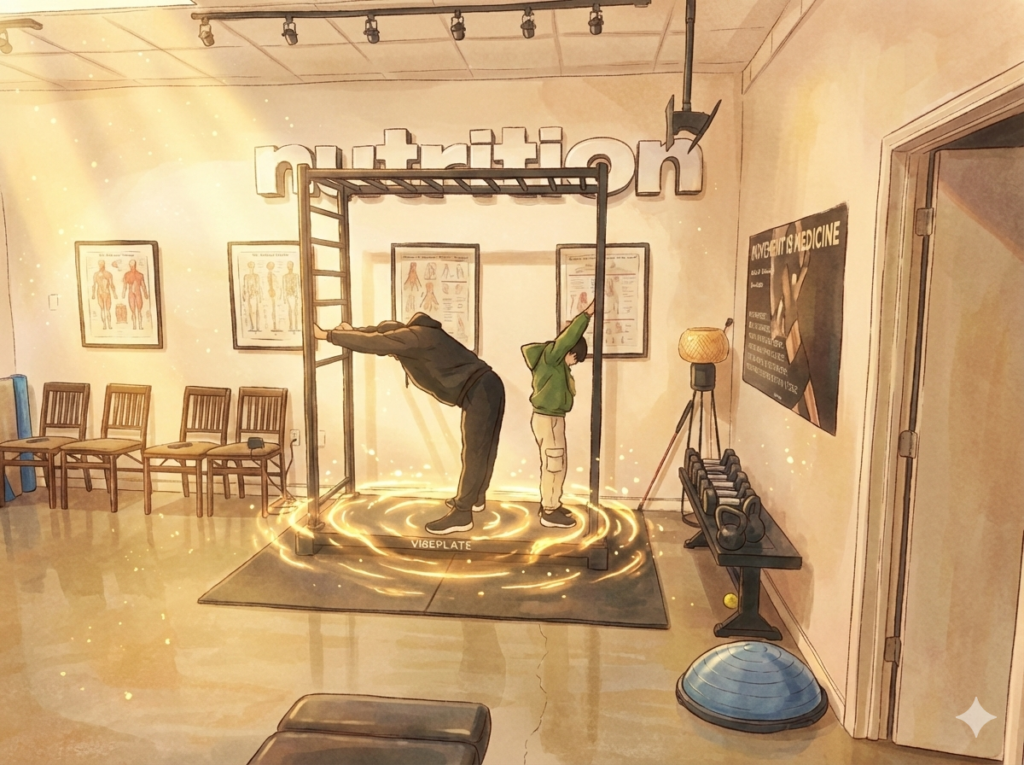
The Neural Mechanisms of Vibratory StimuliThe neurological impact of WBV extends beyond simple spinal reflexes to involve supraspinal modulation and changes in motor unit behavior. The primary sensorimoton mechanism invoked is the Tonic Vibration Reflex (TVR).
The Tonic Vibration Reflex and Motor Unit Dynamics
The TVR is initiated by rapid changes in muscle length detected by muscle spindles, particularly the primary Ia afferents. These afferents transmit high-frequency signals to the alpha-motor neurons in the spinal cord, leading to involuntary muscle contractions. Evidence suggests that vibratory stimuli can alter stretch reflex sensitivity, thereby affecting the motor unit recruitment threshold, firing rate, and synchronization.
Research utilizing high-density surface electromyography (HDsEMG) has revealed that the recruitment threshold of motor units can be modified by vibration exposure. Specifically, lower-threshold motor units may see an increase in their recruitment threshold, while higher-threshold units often demonstrate a reduction. This suggests a shift toward the activation of more powerful, fast-twitch fibers that are typically difficult to engage during submaximal voluntary contractions.
Motor unit synchronization—the simultaneous firing of multiple motor units at the frequency of the vibration—is a proposed mechanism for the observed increases in muscle strength and power. While motor units can synchronize at the vibration frequency during a single session, the impact on maximal voluntary isometric contraction (MVIC) force is time-dependent. Brief applications (2–25 seconds) provide additional excitation to the motor neuron pool, enhancing initial firing rates and force production. Conversely, prolonged vibration (exceeding 30 seconds) may lead to a decrease in firing rates and voluntary strength through presynaptic autogenic inhibition, characterized by lower group Ia mean discharge rates and increased reflex latency.
Central Nervous System Modulation and Neuroplasticity
Beyond the spinal level, WBV influences the central nervous system (CNS) by providing a high volume of proprioceptive feedback that travels via the dorsal column-medial lemniscus pathway to the primary somatosensory cortex. This sensory influx is thought to improve motor control and facilitate neuroplasticity, which is particularly relevant in the recovery from neurological injury.
Prolonged vibration therapy has been shown to induce lasting adaptations in muscle fiber composition, motor neuron activation, and synaptic efficiency. These adaptations are modulated by neurotransmitters such as gamma-aminobutyric acid (GABA) and glutamate. GABA, as the primary inhibitory neurotransmitter, modulates the excitability of spinal cord neurons, potentially reducing the excessive muscle tone and spasticity frequently observed in stroke and spinal cord injury. Furthermore, vibratory stimuli have been linked to an up-regulation of neurotrophic factors, such as neurotrophin-3 (NT-3) and its receptor TrkC, which are essential for the maintenance and repair of proprioceptive pathways.
Muscular Activation: Structural and Functional Adaptations
Muscular activation during WBV is primarily quantified using surface electromyography (sEMG), which measures the root mean square (RMS) of the muscle's electrical activity. WBV significantly increases sEMG levels compared to identical exercises performed on a stable surface, with increases ranging from 39% to over 360% depending on the muscle group and vibration parameters.
EMG Responses in Static and Dynamic Exercises
The choice between static and dynamic exercise on a vibration platform significantly influences the muscle activation profile. Research comparing static semi-squats (SSS) and dynamic semi-squats (DSS) in middle-aged and older women has demonstrated that the rectus femoris (RF) experiences significantly higher activation during dynamic movements compared to static holds. In the DSS pattern, a rhythm of four seconds per repetition (2 seconds of squatting, 1 second of standing up, and 1 second of rest) at knee flexion angles between 10° and 45° was found to be more effective than maintaining a constant 45° flexion.
Muscle Group
Static Semi-Squat (SSS)Dynamic Semi-Squat (DSS)Optimal ParametersRectus FemorisModerate activationSignificantly Higher40 Hz / 4 mm Vastus MedialisHigh activationHigh activation40 Hz / 4 mm Vastus LateralisFrequency-dependentFrequency-dependent30–40 Hz Biceps FemorisAmplitude-dependentAmplitude-dependent4 mm GastrocnemiusModerate activationVariable40 Hz / 4 mm
Amplitude appears to be a more potent driver of muscle activation than frequency in many contexts. For instance, increasing the amplitude from 2 mm to 4 mm results in significant improvements in vastus medialis and vastus lateralis activation, whereas increasing frequency from 30 Hz to 40 Hz may not yield a proportional increase in activation for these specific muscle groups.
Hormonal and Metabolic Responses
The mechanical stress imposed by WBV also triggers systemic endocrine responses. Acute bouts of vibration have been shown to elevate serum concentrations of growth hormone (GH) and testosterone, while simultaneously decreasing cortisol levels. These changes suggest an anabolic environment that supports muscle remodeling and strength gains. The increase in GH levels is likely a consequence of the increased gravitational loads and the subsequent demand on the musculoskeletal system to maintain postural stability.
From a metabolic perspective, WBV has been observed to improve bone mineral density (BMD) and bone morphology. The mechanical strain applied to the bone during vibration stimulates osteoblast activity and suppresses osteoclast-mediated bone resorption, making it a viable intervention for individuals with osteoporosis or low bone density.
Clinical Protocols in Neurorehabilitation
The use of vibration therapy in neurorehabilitation is centered on improving motor function, managing spasticity, and enhancing functional independence across various neurological conditions.
Stroke Rehabilitation Protocols
In stroke survivors, WBV is utilized to address muscle weakness, abnormal muscle tone (spasticity), and impaired balance. Research indicates that WBV is most effective when paired with task-specific training, such as balance exercises or functional movements.
A common protocol for stroke patients, referred to as Proprioceptive Body Vibration Rehabilitation Training (PBVT), involve:
Amplitude
20-30 Hz with a 2-4 mm amplitude
30 minutes per session
5 days a week for 8 weeks
Standing or performing vigorous movements on the platform.
Frequency/Amplitude: 20–30 Hz with a 2–4 mm amplitude.Duration: 30 minutes per session.Weekly Frequency: 5 days a week for 8 weeks.Positioning: Standing or performing vigorous movements on the platform, often involving manual facilitation by a therapist at key control points like the trunk and pelvis.
Meta-analyses have shown that WBVT significantly reduces spasticity and improves motor function scores, such as the Fugl-Meyer Assessment (FMA) and Berg Balance Scale (BBS), compared to conventional physical therapy alone. Subgroup analyses further suggest that side-alternating vibration and variable frequency protocols are more effective than fixed-frequency vertical vibration for reducing spasticity in this population.
Spinal Cord Injury (SCI) Protocols
For individuals with SCI, the primary goal of WBV is often to preserve muscle mass, improve bone density, and facilitate neural recovery. The ability to stand independently is not a prerequisite, as standing frames can be used in conjunction with vibration platforms.
Key findings in SCI protocols include:
Amplitude Dominance: High amplitudes (up to 1.2 mm) are often required to elicit measurable EMG activity in paralyzed or paretic muscles. Lower-magnitude platforms often fail to produce significant activation in this group.
Optimal Parameters: A combination of 45 Hz frequency and 1.2 mm amplitude has been found most effective for lower extremity muscle activation.
Posture: Variations in knee angle (140° to 180°) have shown less impact on EMG activation than changes in the vibration amplitude itself.
It is important to note that while WBV can improve neuromuscular performance, it can also lead to adverse events in SCI patients, such as autonomic dysreflexia, dizziness, or pressure sores, if not carefully monitored.
Protocols for Geriatric Populations and Fall Prevention
The decline in postural control and muscle force production with age is a primary risk factor for falls. WBV serves as a low-impact alternative to high-intensity resistance training for older adults who may have limited mobility or fatigue easily.
Balance and Mobility Improvements
Network meta-analyses comparing various vibration frequencies have identified high-frequency whole-body vibration training (HF-WBVT) as the most effective protocol for improving balance in older adults.
Protocol TypeFrequency RangeRepresentative Result (TUGT)Result (5STS)Low Frequency (LF)5–15 HzSignificant improvement vs controlNo significant differenceMedium Frequency (MF)16–25 HzModerate improvementModerate improvementHigh Frequency (HF)>25 HzHighest probability of best outcomeHighest probability of best outcome
Clinical protocols for balance typically involve:
Frequency: 25–40 Hz.
Amplitude: 2–5 mm.
Session Duration: 5 to 15 minutes of intermittent vibration (e.g., 60 seconds on, 30–60 seconds rest).
Training Duration: 8 to 24 weeks, 2–3 days per week.
Studies have shown that 8 weeks of WBV training can significantly improve the "limits of stability" and sit-to-stand performance in untrained elderly individuals. Additionally, for institutionalized residents over the age of 80, WBVT has demonstrated efficacy in increasing lower limb strength and walking ability.
Sarcopenia Management
For older adults with sarcopenia, WBV acts as a stimulus for muscle hypertrophy and strength gain without the joint stress associated with heavy lifting. Protocols often involve standing with knees flexed at 45° to 60° on the platform to maximize quadriceps engagement.
Study
Population
Protocol
Results
Wei et al. (2017)
Sarcopenia
20–60 Hz, 4 mm, 3/wk, 12 wks
Isometric knee strength ↑
Machado et al. (2010)
Women >65
20–40 Hz, 2–4 mm, 3–5/wk, 10 wks
Strength ↑, CSA ↑
Mikhael et al. (2010)
Adults 50+
12 Hz, 1 mm, 3/wk, 13 wks
Relative strength ↑
Dynamic body positions, such as performing unloaded squats and calf raises while on the platform, generally produce more beneficial effects on muscle mass compared to static standing alone.
Applications in Musculoskeletal Rehabilitation
WBV is increasingly utilized in the management of chronic pain and the rehabilitation of orthopedic injuries, particularly when joint loading must be carefully controlled.
Non-Specific Chronic Low Back Pain (NSCLBP)
In patients with NSCLBP, WBV aims to enhance trunk stability and reduce pain through neurogenic potentiation of the core musculature. Systematic reviews indicate that WBV significantly improves pain scores (VAS) and disability indices (ODI, RMDQ).
| Study | Frequency | Amplitude | Regimen | Target |
|-------------------|-------------|-----------|------------------------------|----------------------------|
| Jung et al. (2020)| 15 Hz | 2 mm | 15 min, 3/wk, 12 wks | Proprioception (repositioning) |
| Ruger et al. (2023)| 5–30 Hz | 4.5 mm | 15 min, 6 sessions | Postural balance |
| Kaeding et al. (2017)| 10–30 Hz| 1.5–3.5 mm| 5 reps, 2.5/wk, 3 months | Static posturography |
| Yang et al. (2015)| 18 Hz | N/A | 5 min WBV + 25 min stability | Fall index and sway |
A typical exercise progression for NSCLBP includes bridge, plank, squat, and side bridge, starting with 60-second bouts and progressing as tolerated.
Knee Osteoarthritis (KOA) and ACL Reconstruction (ACLR)
For KOA patients, WBVT combined with conventional rehabilitation significantly reduces knee pain and improves physical function more effectively than exercise alone. High-frequency protocols are particularly associated with greater reductions in pain.
In ACL rehabilitation, WBV is considered a time-efficient alternative to standard strength training. One study found that a WBV program reduced the total time required for rehabilitation sessions by more than 50% while achieving equivalent or superior results in joint stability and isokinetic strength compared to a standard protocol.
Athletic Performance and Explosive Power Optimization
For athletes, the goal of WBV is often to acutely enhance explosive power and vertical jump performance through post-activation potentiation (PAP).
Explosive Power Protocols
Meta-analyses demonstrate significant improvements in lower limb explosive power immediately following WBV exposure. The most effective protocols for power development typically utilize high frequencies and amplitudes.
Frequency: 35–50 Hz.
Amplitude: 2–6 mm.
Duration: 5 sessions of 1 minute each, with adequate rest intervals (e.g., 180 seconds) to prevent fatigue.
Studies have shown that a single bout of WBV (e.g., four sets of 60 seconds) can significantly increase vertical jump height and vertical stiffness in intercollegiate athletes. However, these acute effects are transient, often subsiding within 60 minutes after exposure.
Flexibility and Coordination
In addition to power, WBV has been found to acutely increase flexibility in elite athletes. The mechanical oscillations help reduce muscle stiffness and improve the range of motion through a combination of increased local circulation, muscle temperature, and the dampening of the stretch reflex.
Safety, Contraindications, and Dosing Limits
The "dose-response" relationship in vibration therapy is non-linear. While moderate exposure is beneficial, excessive intensity or duration can lead to neural inhibition and musculoskeletal damage.
Identifying Overstimulation and Fatigue
Clinical practitioners must monitor for signs of "overdose," which include:
Neural Fatigue: Prolonged exposure (30+ minutes) significantly attenuates EMG activity and maximal voluntary force due to presynaptic autogenic inhibition.
Musculoskeletal Discomfort: Inappropriate stance (e.g., locked knees) or excessive G-forces can lead to joint aching, lower back discomfort, and headache.
Acute Symptoms: Dizziness, motion sickness, itching, and "pins-and-needles" sensations are common indicators that the intensity or duration exceeds the patient's current tolerance.
Occupational research highlights that long-term, daily exposure to high-intensity vibration (8–10 hours) is linked to chronic spinal degeneration, circulatory damage (Vibration White Finger), and respiratory disorders. While therapeutic sessions are much shorter, these risks emphasize the importance of controlled dosing.
Contraindications for Whole-Body Vibration
Due to the systemic nature of vibration and its potential to displace implants or stress the cardiovascular system, the following groups are generally excluded from high-intensity WBVT:
CategoryConditionsCardiovascularHeart failure, pacemakers, history of stroke, blood clotting disorders, arrhythmia, severe hypertension.Implants/DevicesRecent joint/corneal/cochlear implants (within 120 days), metal pins, plates, IUDs.Acute MedicalPregnancy, kidney/bladder stones, epilepsy, active malignancy, acute hernias, fresh surgical wounds.
Neurological Severe peripheral neuropathy, uncontrolled migraines, inner ear disorders.
Musculoskeletal
Severe osteoporosis (risk of fracture), acute joint inflammation (RA flare).Reporting Standards for Clinical ConsistencyTo ensure the reproducibility of results, an international consensus group has established reporting guidelines for WBV research. These guidelines require clinicians and researchers to document:
Device Specifications: Manufacturer, type of vibration (vertical vs. side-alternating), and frequency/amplitude verification.Administration
Details: Subject posture (knee angle, static vs. dynamic), footwear (barefoot vs. specific shoes), and use of handrails or external loads.
General Protocol: Duration of bouts, rest intervals, number of sessions, and the presence of a supervisor.
Clinical Guidelines and Practical Implementation
For the successful integration of WBV into clinical practice, therapists should follow a structured progression framework designed to minimize risk while maximizing neuromuscular activation.
Fundamental Positioning and Footwear
The "Fundamental Starting Position" involves feet placed parallel and symmetrical on the platform, approximately one foot-width apart. The tips of the feet should be rotated slightly outward (approx. 7°), and both the knees and hips must be bent slightly to prevent the direct transmission of vibration to the head.
Footwear choice is paramount. Barefoot standing or the use of thin, hard-soled shoes is recommended, as cushioned athletic shoes absorb the vibration and significantly diminish the TVR response. In populations with sensory disturbances, such as diabetics, clinicians must be vigilant for skin irritation or blisters.
Progression Framework
The recommended clinical progression for WBV follows a logical increase in force and complexity:
Phase 1: Familiarization. Begin with low frequencies (5–12 Hz) and small amplitudes for 1–2 minutes to assess individual reactions and build confidence.
Phase 2: Mobilization and Function. Increase to 12–20 Hz to enhance proprioceptive feedback and improve muscle function. Incorporate simple dynamic movements like gentle shifts in weight.
Phase 3: Power and Strength. Advance to 25–40 Hz with higher amplitudes (4 mm+) for specific strength training. At this stage, add unloaded or loaded resistance exercises (e.g., squats, lunges).
Dosing: Most effective interventions occur 2 to 3 days per week for a duration of 6 to 12 weeks. Individual bouts should typically last 30 to 60 seconds, followed by an equal or longer rest period.
Conclusion: Synthesis and Future Outlook
Whole-body vibration represents a unique therapeutic intersection between mechanical physics and neurological physiology. By leveraging the tonic vibration reflex and providing high-volume proprioceptive feedback, WBV platforms can facilitate muscular activation and neurological recovery in populations where traditional high-impact exercise is contraindicated or unfeasible.
The evidence highlights that side-alternating vibration is superior for neurological goals such as spasticity reduction and balance, while vertical vibration remains a potent tool for musculoskeletal loading and bone health. However, the efficacy of these protocols is entirely dependent on the precise application of frequency and amplitude. High-frequency (>25 Hz) interventions are most effective for improving functional mobility in older adults and power in athletes, but they must be administered in brief, controlled bouts to avoid the inhibitory effects of neural fatigue.
As the field moves toward greater standardization through consensus-based reporting, the ability to prescribe individualized, evidence-based vibration "dosages" will enhance the clinical relevance of this modality. Future research must continue to refine these protocols, particularly regarding long-term follow-up and the integration of WBV with other multifaceted rehabilitation strategies, to ensure meaningful and lasting functional outcomes for patients across the lifespan.