You're hurt. You're overwhelmed.
Your recovery starts here.
Chiropractic care that helps you get moving again after a car accident. Precise diagnosis, active recovery, and straight answers about cost.
Conditions We Treat
Focused care for accident injuries
Each condition requires a specific diagnostic and treatment approach. Click to learn how we handle yours.
Your Doctor
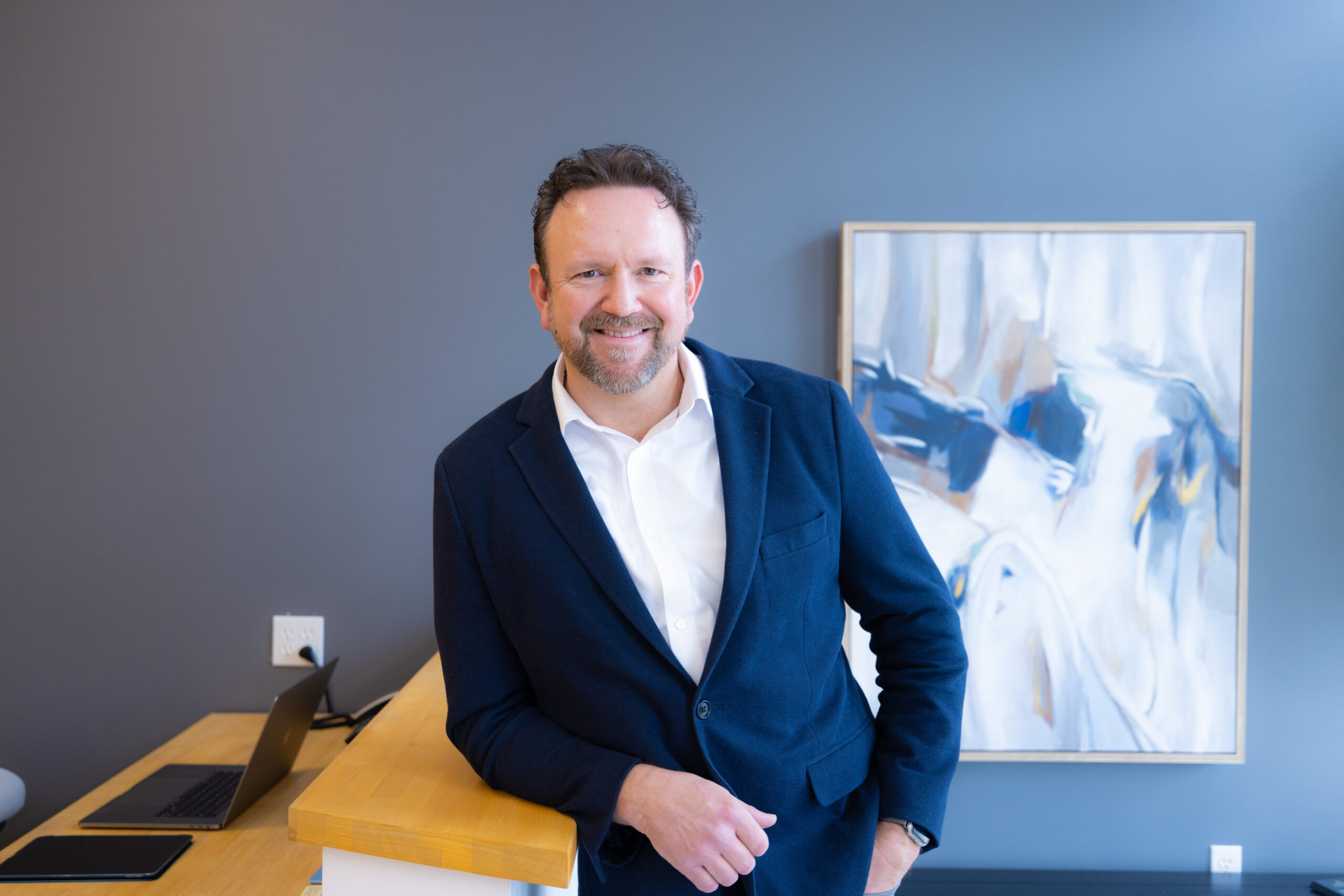
Dr. Ryan Todd Lloyd
Doctor of Chiropractic and Qualified Medical Evaluator with a special emphasis on personal injury rehabilitation. In practice since 2002 and with over 1,000 patients treated, Dr. Lloyd brings both clinical experience and medicolegal understanding to every case.
His approach combines precise diagnosis — including cranial nerve and neurological examinations — with progressive, movement-based rehabilitation.
Cost
How care gets paid for
We'll go over your options before you start, so you know where you stand.
MedPay
If your auto policy includes Medical Payments coverage, you can use it for care here. No attorney needed, and we handle the billing with your insurer.
How MedPay works →Lien
If you have a personal injury attorney, care can go on a lien that you and your attorney sign. You pay nothing while your case is open. Our fees come out of your settlement, and you stay responsible for the bill, even if you don't win.
How a lien works →Not sure yet?
No attorney, or not sure what your policy covers? Call us and we'll help you sort out your options.
Call (707) 658-2534Our Framework
Five steps of care after an accident
A clear, step-by-step plan to figure out what's wrong, treat it properly, and document every finding.
Initial Evaluation
Orthopedic, neurological, and functional examination including cranial nerve assessment.
Precise Diagnosis
We review your imaging and work out what's behind your symptoms. We look for injuries such as radiculopathy, ligament instability and signs of mild brain injury, and record what we find.
Movement-Based Rehabilitation
Progressive resistance, vibration therapy, and hands-on care, including adjustments when they suit you. The aim is to restore what you can do as well as ease pain, and we measure your progress as you go.
Clear Records
We record what we find, what we do and how you respond, so your care is easy to follow. When a report or impairment rating is needed, we can provide one.
Maximum Medical Improvement
Care winds down when you've recovered, or when you've stopped improving and more treatment isn't expected to help. That point is called maximum medical improvement. A final report can include permanent impairment ratings and future care recommendations when warranted.
Treatment Methods
Care built around movement
The main treatments we use, each with a different job in your recovery.
Progressive Resistance Training
Exercises that start where you are and build up as you improve, to restore strength, coordination and endurance.
Exercise-Based RehabChiropractic Adjustments
A quick, short push by hand to a sore, stiff spinal joint, used alongside exercise. Early after a crash, or when that doesn't suit you, we use gentle, low-force techniques.
Used With ExerciseVibration Therapy
Short, supervised sessions on a whole-body vibration platform, used alongside exercise-based rehab. Your legs absorb much of the vibration, and your muscles respond to it by reflex.
Short, Supervised SessionsShockwave Therapy
Short pressure pulses from an applicator on the skin, for some long-lasting tendon and muscle pain. Trial support is strongest for calcium deposits in a shoulder tendon and long-lasting heel pain; no trial has studied it after a car crash.
For Lasting Tendon PainOur Philosophy
Movement is medicine
Most injuries from a crash recover better with guided movement than with long rest. We build up your activity step by step and measure how you respond.
-
Tissue Healing
Gradual, controlled loading helps injured tissue repair and get stronger.
-
Deep Muscle Retraining
Targeted exercise can retrain how your deep muscles switch on after back pain.
-
Measurable Progress
We track measures such as range of motion, strength and how you're doing day to day, so we can see what's changing and adjust your plan.
-
Honest About the Evidence
We use current guidelines to plan your care, and we'll tell you what the research does and doesn't show.
"My job is to find out what's wrong, get you moving again, and tell you straight how it's going."— Dr. Ryan Todd Lloyd, D.C., Q.M.E.
Ready to start your recovery?
Book your initial evaluation or call us directly. Same-week appointments available.