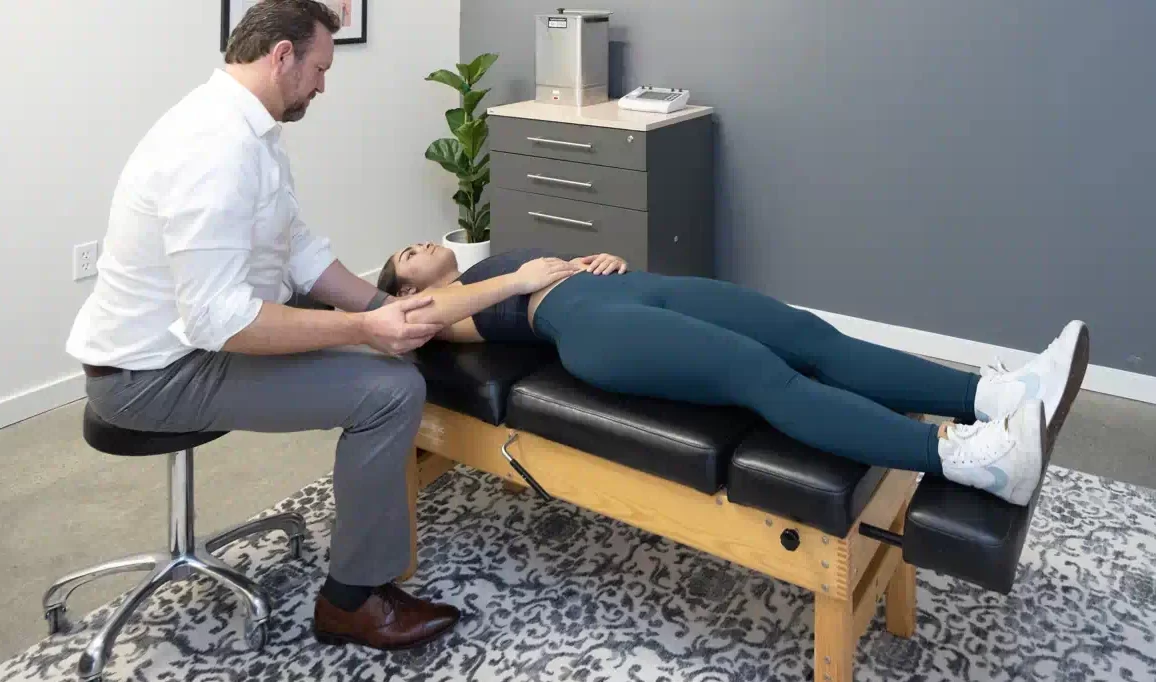
What’s Happening When I “Crack” Your Neck?

During a chiropractic neck adjustment, or when your neck “cracks,” the goal is to increase joint mobility, particularly in areas where movement is restricted. The popping sound comes from a process called cavitation or tribonucleation, which occurs when the smooth, lubricated surfaces of the joint are gently stretched apart, releasing gas bubbles in the joint fluid due to a change in pressure. This release triggers reflexes that can provide pain relief and muscle relaxation, allowing for a greater range of motion. Immediately after the adjustment, there’s a window of around 20 minutes where the joint remains more mobile, and muscles stay relaxed. The extended range of motion can last anywhere from 3 hours to 3 days, supporting better nutrient delivery and helping retrain the body’s reflexes for longer-lasting relief.

A patient asked me this question just now. And, I get asked this a lot.
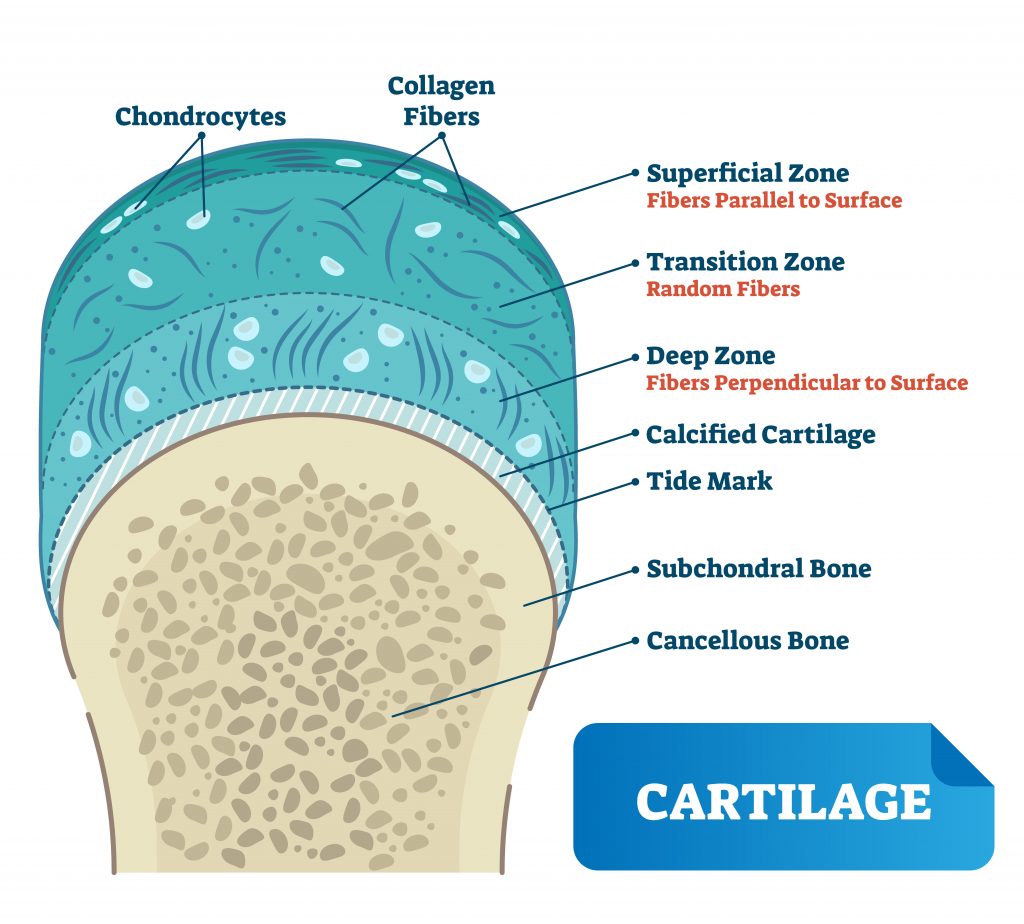
Cartilage cap on the end of a bone.

When I adjust, or “crack,” your neck, the goal is to improve the range of motion in specific joints that aren’t moving well. During the adjustment, the joint surfaces are gently stretched and distracted from each other. These joint surfaces are covered in smooth cartilage and lubricated by synovial fluid. As the joint surfaces separate—similar to pulling apart a suction cup—the release of pressure causes that popping sound. This happens when we overcome the hydrostatic pressure within the joint.

This popping sound is known as cavitation or tribonucleation—a technical term for the release of gas bubbles in the joint fluid due to the change in pressure.

What Are the Benefits?

When the joint pops, reflexes trigger pain relief and muscle relaxation. This allows for a greater range of motion in the affected area.

How Long Does It Last?

Immediately after an adjustment, there’s a period—typically around 20 minutes—where the joint remains more mobile, and the muscles are relaxed, during which the joint won’t pop again. The increased range of motion can last anywhere from 3 hours to 3 days, depending on the individual. During this time, improved mobility allows for better nutrient delivery to the joints, and it helps retrain the body’s reflexes to maintain relaxation for longer periods.
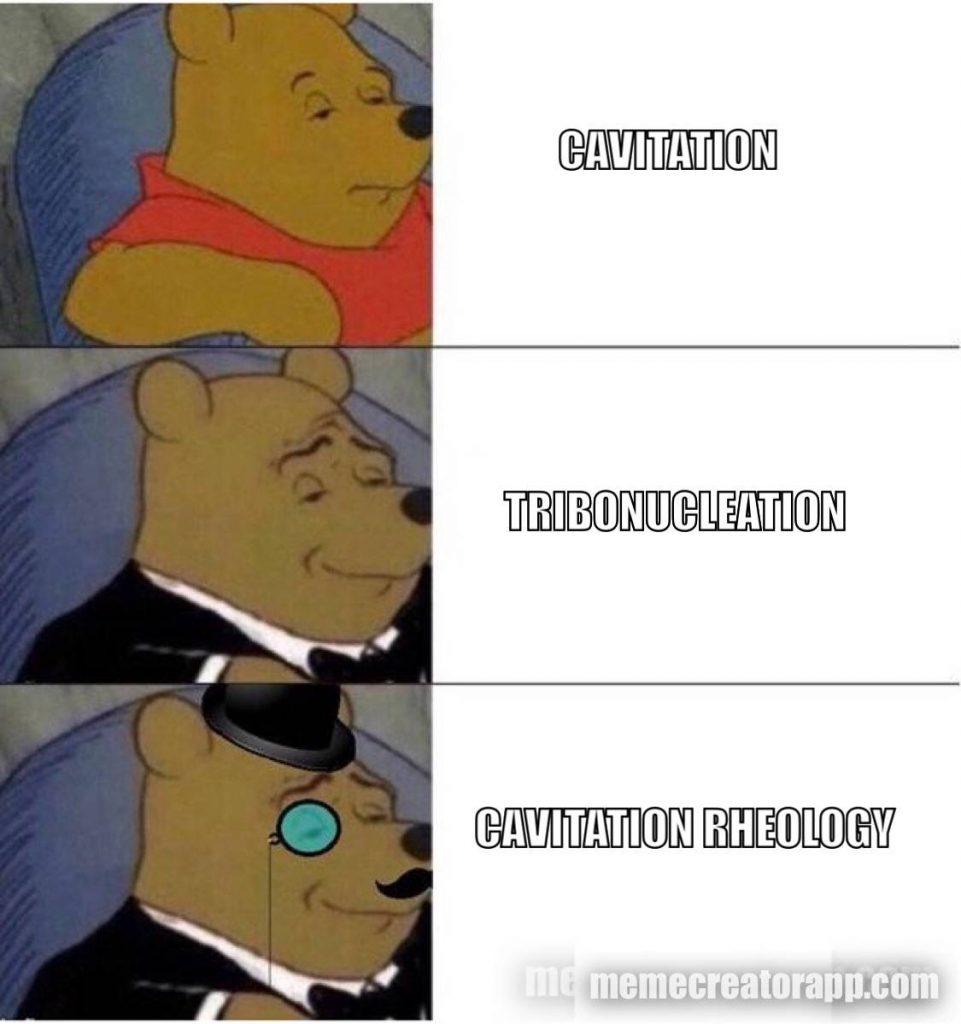
IMG 4865

Apparently, when you get your neck adjusted, the sound comes from the opposite side of your neck.

Learn more about cavitation from this video.

Dr. Lloyd

Dr. Ryan Todd Lloyd

Ryan Todd Lloyd, DC, QME

Personal injury chiropractor and Qualified Medical Evaluator in Petaluma, CA. Specializing in whiplash, concussion, and med-legal documentation for motor vehicle accident patients.