Blog
Recovery insights, patient education, and movement science from Dr. Ryan Todd Lloyd.
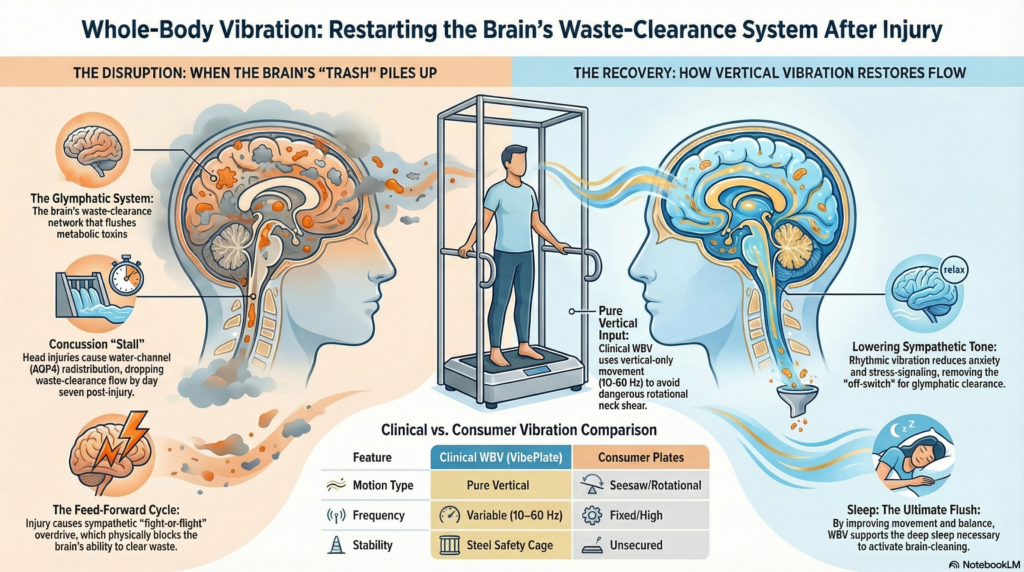
Whole-Body Vibration for Concussion and Whiplash Recovery — What the Science Says, and Why Your Brain's Waste-Clearance System Matters More Than You Think
You got hit. Now what? If you're reading this, there's a good chance you — or someone you care about — were recently in a car accident. Maybe a rear-end collision. Maybe something worse. You…
Read more →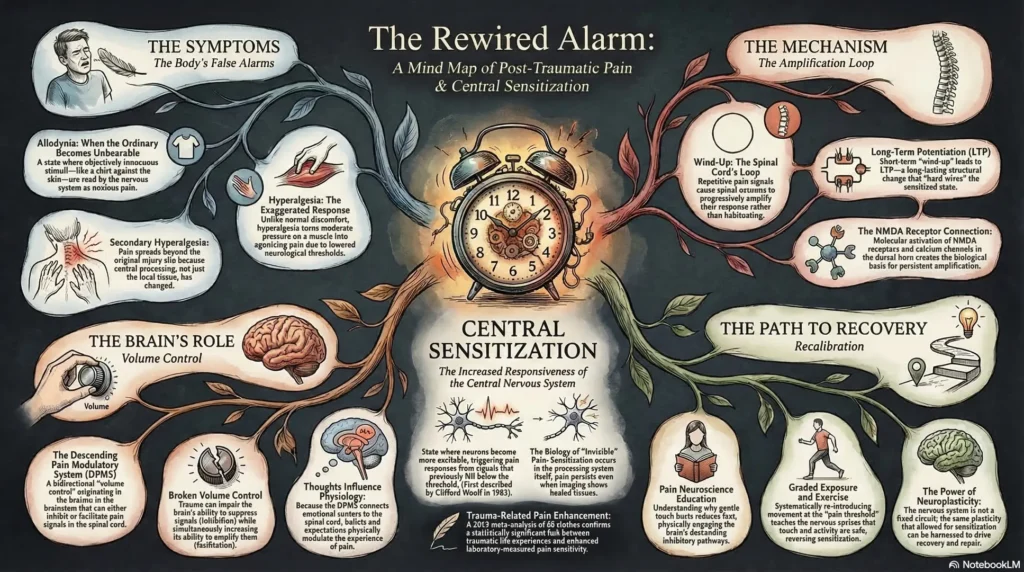
Shifting Thresholds: How Trauma Recalibrates the Nervous System's Definition of Pain
There is a moment in many collision cases I treat — somewhere around visit three or four —…
Read more →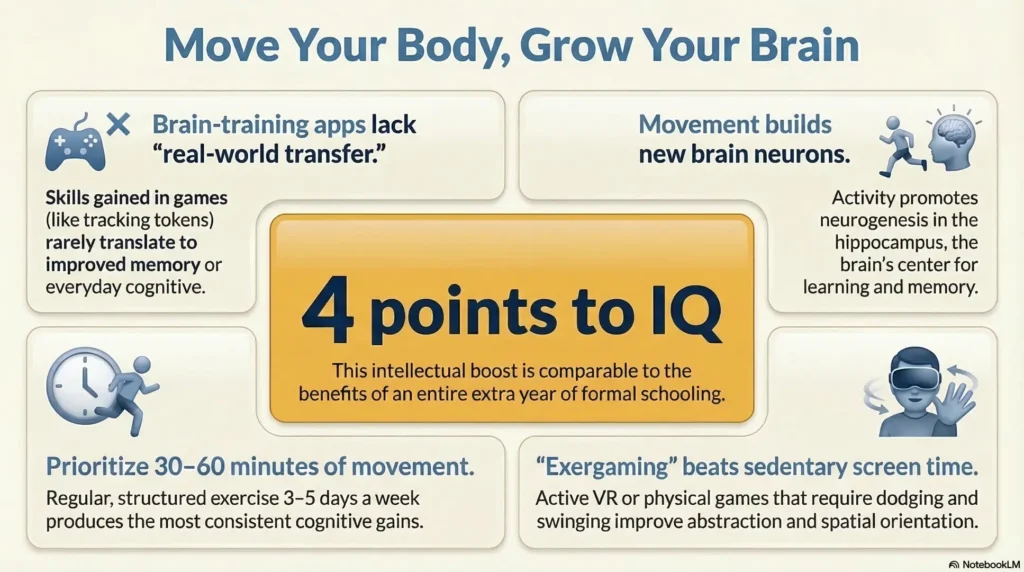
Your Brain Doesn't Need an App — It Needs a Workout
Last Tuesday, a patient walked into my office six weeks after a rear-end collision. Stiff neck, foggy thinking,…
Read more →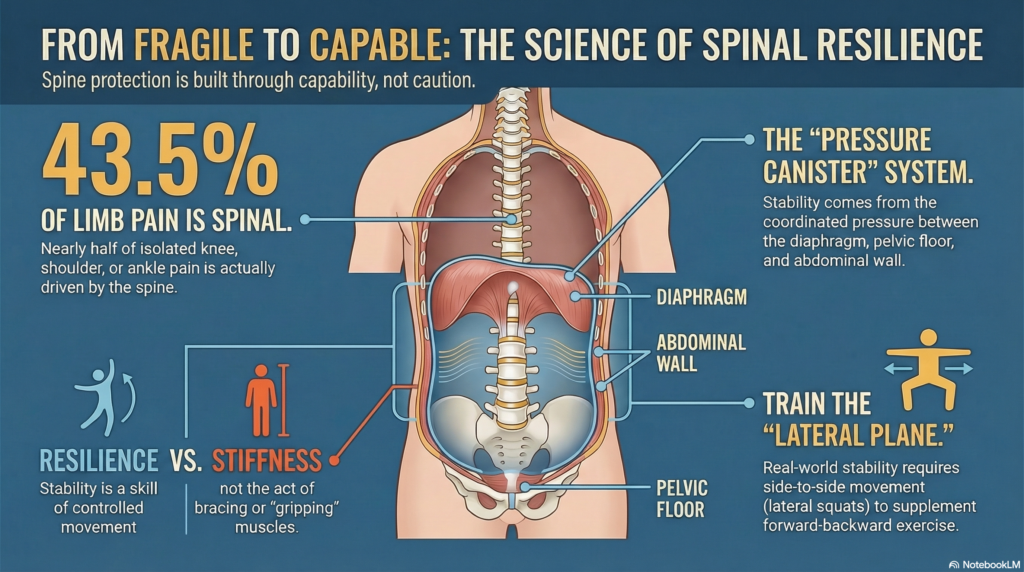
Move More to Protect Your Spine: What I Brought Home from Parker Seminars Las Vegas
Move More to Protect Your Spine: What I Brought Home from Parker Seminars Las Vegas Last week I…
Read more →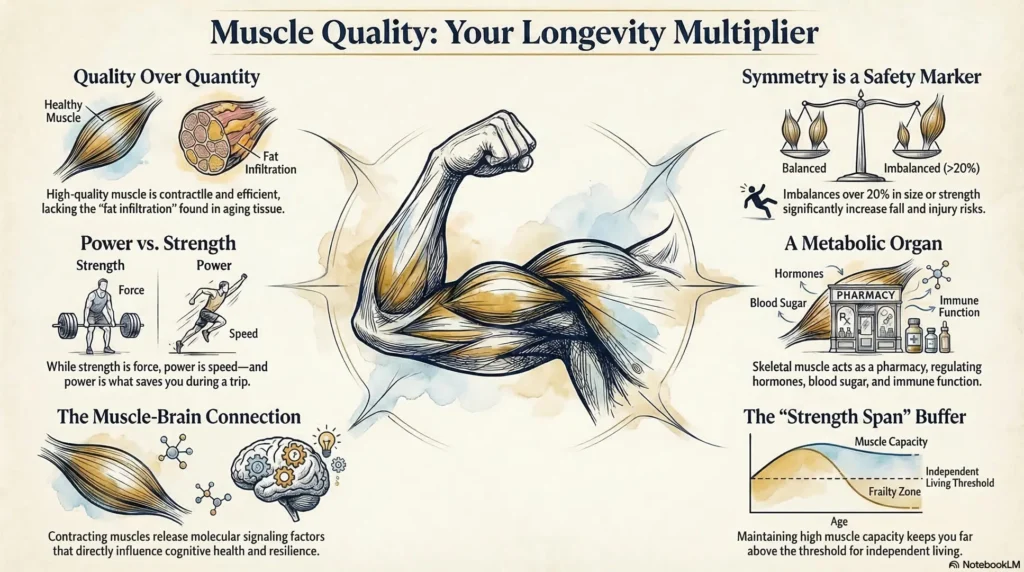
Muscle Quality Is a Longevity Multiplier (and How to Train for It)
Key Takeaway Muscle is not a vanity tissue. It is a metabolic organ and a mobility insurance policy.…
Read more →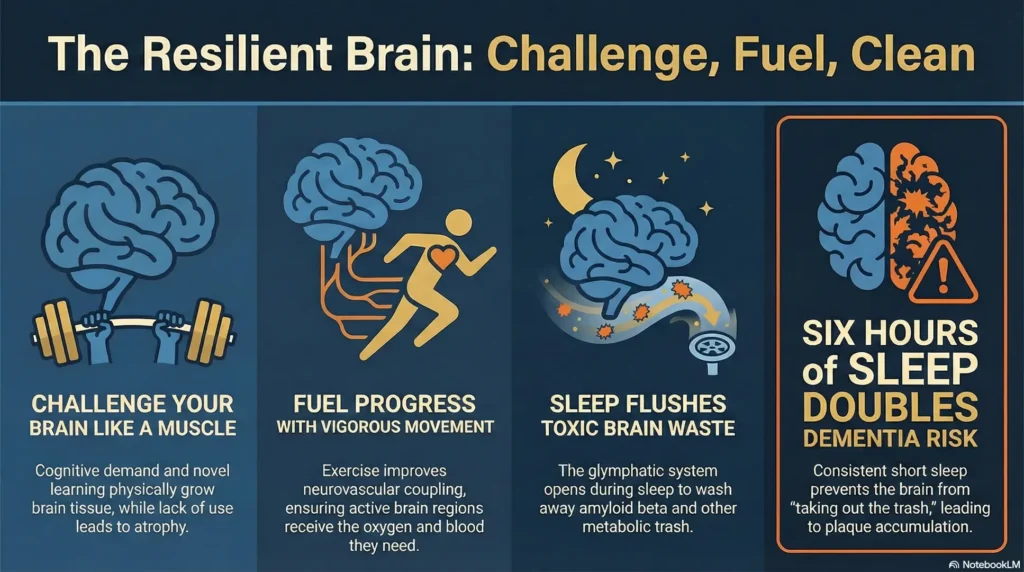
Your Brain Is Listening — Whether You Challenge It or Let It Sleep
What two neuroscientists at Parker Seminars 2026 taught me about the single biggest thing you can do for…
Read more →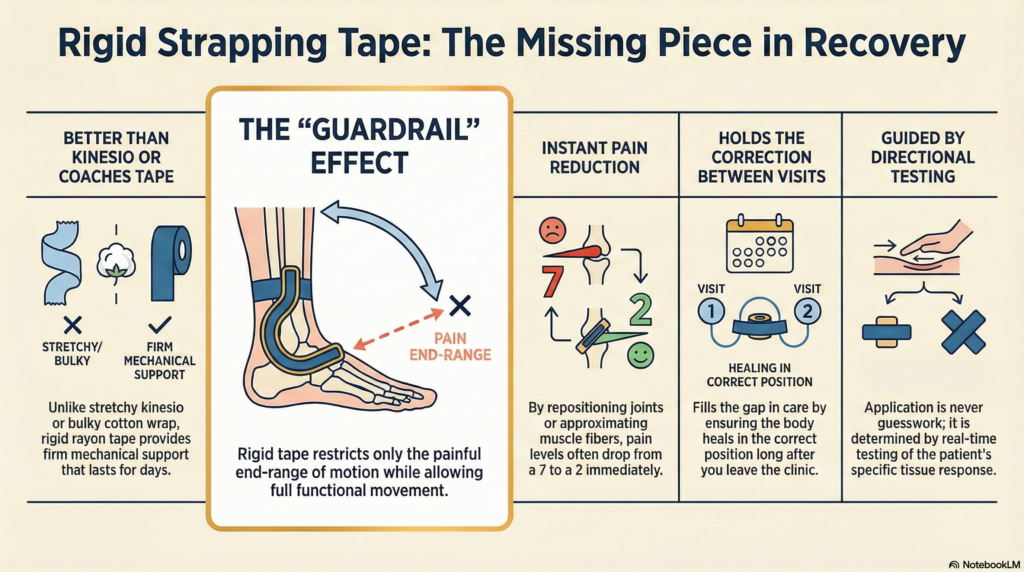
What I Learned About Strapping Tape at Parker Seminars — And Why It Changes Everything for Injury Recovery
I sat in a seminar room in Las Vegas last week, watching a chiropractor tape an ankle in…
Read more →
The Two-Hour Secret: What a Happiness Researcher Taught a Room Full of Chiropractors About Time, Purpose, and Showing Up Better
Based on the lecture "Happier Hour" by Cassie Holmes, PhD — Parker Seminars 2026, Las Vegas I want…
Read more →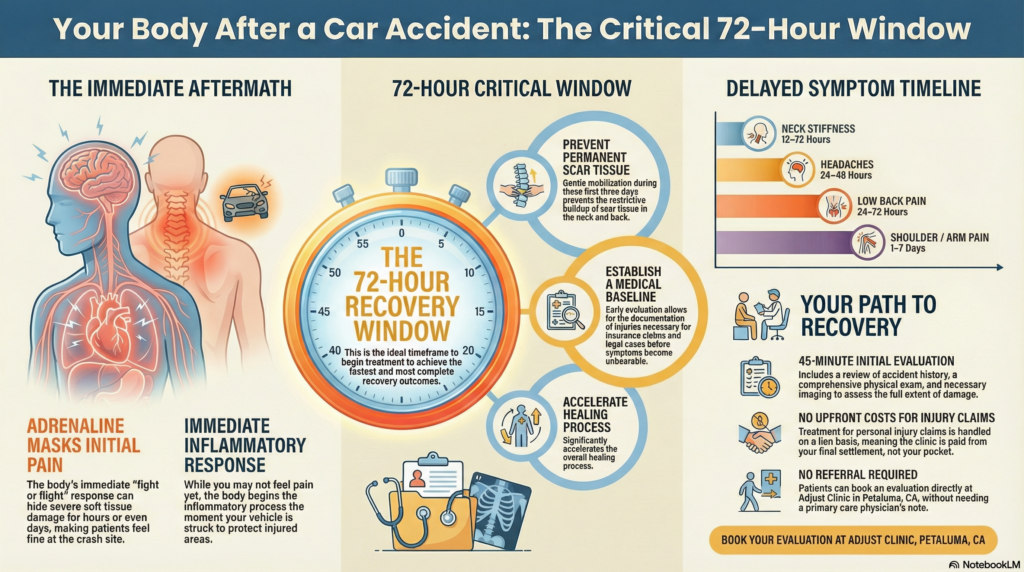
What Happens After a Car Accident: Your Body's Response
What Happens After a Car Accident: Your Body's Response When your vehicle is struck from behind — even…
Read more →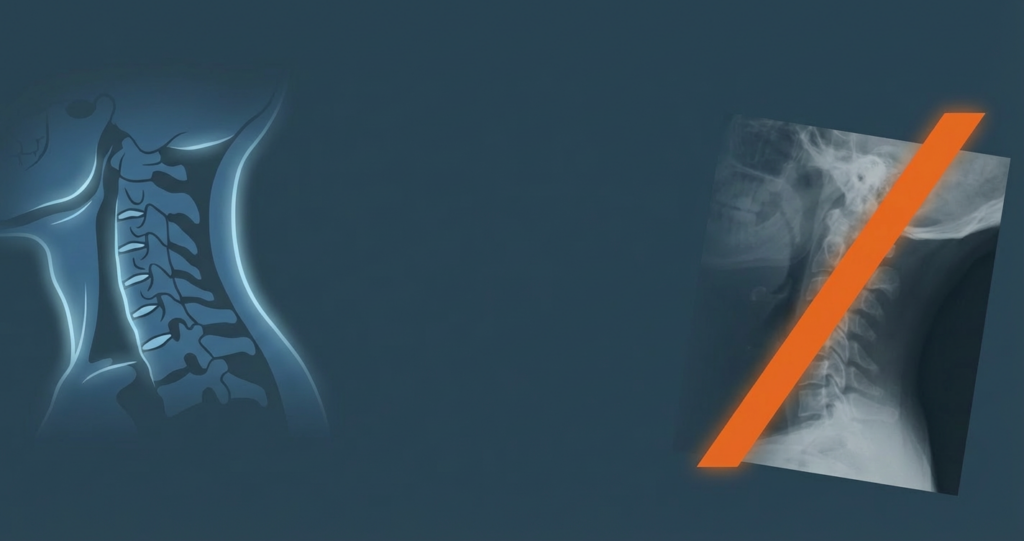
Beyond the X-Ray: Why Absence of Evidence Is Not Evidence of Absence in Whiplash and Low-Velocity Collision Injuries
Introduction: The Patient Who Looks Fine on Film I've sat across from patients who hand me their imaging…
Read more →